Tips & Trik
tata cara qurban: Syarat, Rukun, dan Panduan Lengkap bagi Umat

25 Jun 2026
Qurbani Procedure: Requirements, Pillars, and a Complete Guide for Muslims
The qurbani procedure must be understood by every Muslim before entering the month of Dhul Hijjah. This worship guide provides practical instructions to ensure that the slaughter is valid according to Islamic law.
It is important to realize that the implementation of this annual act of worship has a very broad social dimension within society. In fact, many people still do not understand the technical provisions regarding the selection of livestock that meet sharia criteria. “Education regarding this matter must continue so that people do not make mistakes when purchasing animals,” said religious practitioner Ahmad Fauzi. So, what are the correct steps for slaughtering according to the Sunnah of Prophet Muhammad (PBUH) so that our worship may be accepted by the Creator? Do you already understand the system of fairly distributing meat to the poor in your surrounding community? Another important point is managing the financial readiness for purchasing sacrificial animals well in advance so as not to disrupt household finances. Let us thoroughly examine the qurbani procedure to perfect our devotion and social concern.
Valid Requirements for Livestock According to Islamic Law
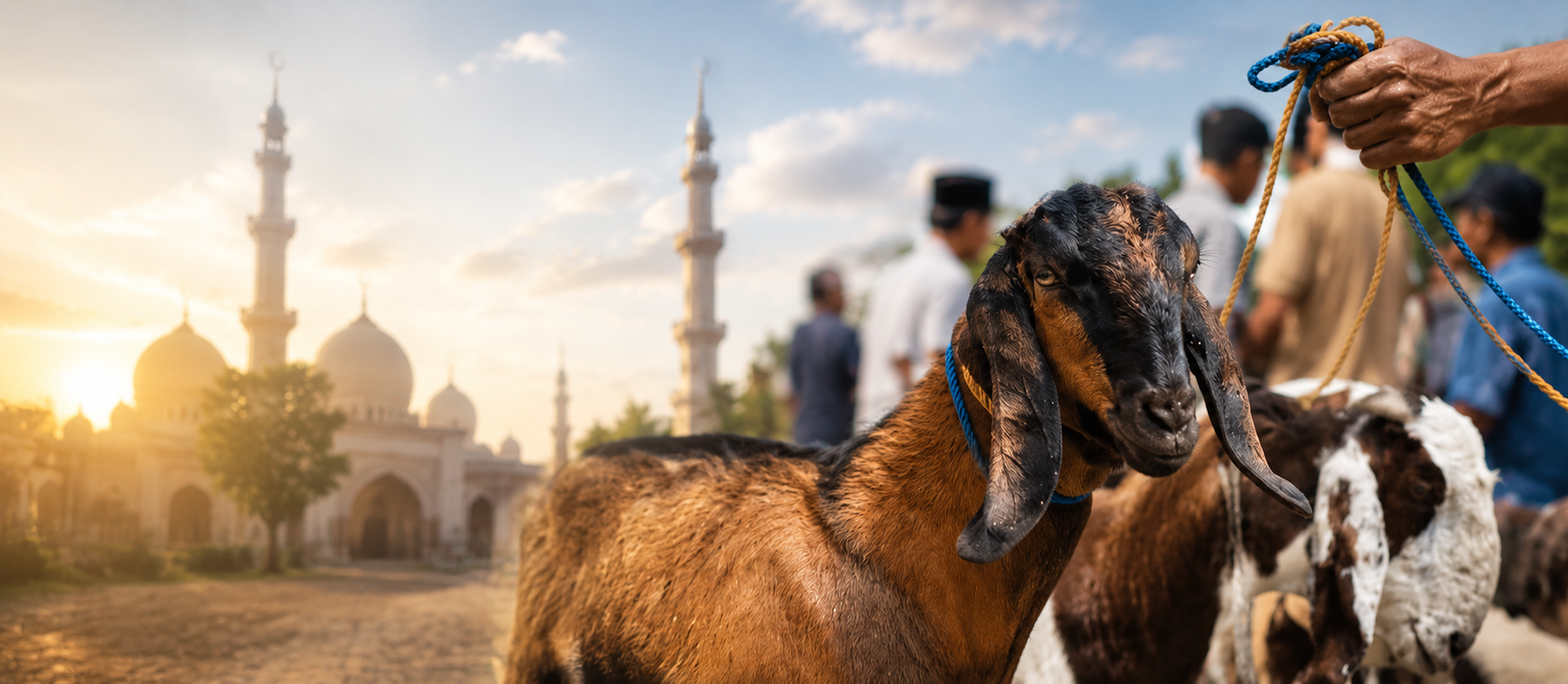
Selecting quality sacrificial animals is the first crucial step in implementing a valid qurbani procedure. The types of animals permitted by Islamic law are livestock such as goats, sheep, cows, buffaloes, or camels. In addition, you must ensure that the animal has reached the minimum age stipulated by Islamic jurisprudence. For example, a goat must be at least one year old, while a cow or buffalo must be at least two full years old.
In fact, the physical condition of the animal must be healthy, fit, and free from any physical defects. Animals that are blind, lame, extremely thin, or have damaged ears are not valid for sacrifice. Sometimes buyers are not careful enough in checking the health of the animal’s eyes and legs because they are in a hurry during the transaction. Therefore, it is important for you to conduct a direct inspection or purchase from a trusted seller. As a result, the worship you perform will be complete and provide hygienic meat benefits for the recipients.
Muslims throughout the country are encouraged to pay attention to the origin of the farm from which the sacrificial animal is obtained. The cleanliness of the enclosure and the quality of feed provided daily greatly influence the quality and texture of the meat. We should not overlook small details such as the cleanliness of the hooves and the agility of the animal's movements. Direct observation at the point of sale provides much greater peace of mind for consumers. Through careful selection, we fulfill the religious instruction to always offer the best to God.
Pillars and Sequence of Slaughter According to the Sunnah
The slaughtering process is the core of the entire qurbani procedure and must be carried out carefully. First, the slaughterer must recite the basmalah and blessings upon the Prophet before cutting the neck of the livestock that has been laid down. Next, position the animal facing the qibla as a form of respect and implementation of a highly recommended Sunnah. Use a very sharp knife so that the cutting of the blood vessels can be carried out quickly without causing unnecessary suffering to the animal.
It is important to realize that the cut must completely sever the respiratory tract, food passage, and the two neck veins. As an illustration, negligence in this matter may cause the animal’s death process to be prolonged and physically painful. Indeed, special skills and strong mental readiness are required to execute this process properly. Therefore, if you feel unable to do so, it is best to entrust the task to an experienced butcher. Overall, compliance with these pillars guarantees the halal status of the meat that will later be consumed by the community.
The psychological calmness of the animal before the execution process must also be maintained by all committee members in the field. Avoid sharpening knives in front of the animal to be slaughtered because it can trigger deep stress. Allowing the animal to rest after a long journey from the farm is a very wise operational management decision. Emotional closeness and compassionate treatment of living creatures reflect the noble character of a true Muslim. We must demonstrate that this religious ritual goes hand in hand with universal humanitarian values.
Valid Slaughtering Time According to Islamic Jurisprudence
The provisions regarding dates and timing are determining factors in the validity of carrying out the qurbani procedure. This act of worship may only be performed after the completion of the Eid al-Adha prayer on the tenth of Dhul Hijjah. If the slaughter is carried out before the Eid prayer, the act is considered only as ordinary slaughter. This period lasts for four days, namely Eid al-Adha and the following three days of Tashreeq.
In fact, the final deadline for slaughtering is before sunset on the thirteenth of Dhul Hijjah each year. This relatively long time frame provides flexibility for committees to organize meat distribution schedules. Certainly, you may choose the most convenient day so that you can directly witness the slaughtering process. Through disciplined time management, the entire series of activities can proceed in an orderly manner without anything being overlooked. Ultimately, understanding the correct timing will prevent fatal mistakes that could invalidate the worship.
The flexibility provided by Islamic jurisprudence greatly assists operational efficiency in densely populated urban areas. Mosque committees can distribute the slaughtering workload so that it does not accumulate on the first day of Eid al-Adha alone. This also helps maintain the cleanliness of the surrounding environment by preventing the buildup of processing waste. We need to implement effective time management strategies for the comfort of all residents living near the mosque. Thus, the implementation of this Islamic symbol remains aligned with the principles of a healthy and clean environment.
Fair Meat Distribution Guidelines for Society
The social aspect of the qurbani procedure is clearly reflected through the mechanism of distributing the slaughtered meat to the community. According to Islamic jurisprudence, the meat should ideally be divided into three main portions fairly and proportionally. The first portion is intended for the person offering the sacrifice and their immediate family, with a maximum allocation of one-third of the total meat. Meanwhile, the second one-third is distributed to relatives, neighbors, or close friends as an act of charity.
It is important to realize that the final one-third must be distributed to the poor and needy who are in great need. As an illustration, distribution should prioritize people who rarely consume meat in their daily lives. Although it may seem simple, this distribution management requires mature coordination from all committee members at the mosque. Certainly, the use of orderly queue coupons is highly recommended to prevent large crowds that may trigger disorder. By implementing such a system, the joy of this religious celebration can be experienced by all levels of society without exception.
Modernized distribution systems are now being adopted by many zakat institutions in various cities. Meat packaging using environmentally friendly containers such as bamboo baskets is becoming increasingly popular as a replacement for plastic bags. This step is not only operationally efficient but also supports long-term environmental sustainability. In short, innovation in the implementation of religious traditions is necessary to remain relevant to the demands of modern times. The sense of care expressed through the distribution of nutritious food can strengthen national solidarity and brotherhood.
Spiritual and Social Wisdom Behind Obedience in Qurbani
Performing every stage of the qurbani procedure sincerely will bring extraordinary spiritual transformation. This act of worship symbolizes the submission of worldly desires and serves as an expression of gratitude for all blessings from Allah. It naturally erodes stinginess and replaces it with sincere social concern. Sincerity in sharing happiness is the primary capital for building harmonious human relationships within the community.
Baca Juga
Haji dan Umroh - Gunung Uhud di Madinah: Sejarah, Fakta, Keutamaan, dan Hikmah Perang Uhud
In fact, communities that actively participate in mutual cooperation during this activity tend to have much stronger bonds of brotherhood. The atmosphere of togetherness while processing the meat is capable of reducing social conflicts that may have previously existed among residents. Therefore, let us use this momentum to strengthen our ties with fellow neighbors. The result of this blessed togetherness is the creation of a peaceful, secure, and prosperous environment. In short, every amount of money spent on purchasing livestock will yield abundant rewards.
The historical value of the sacrifice of Prophet Ibrahim (AS) and Prophet Ismail (AS) must always be internalized within our souls. The story of the steadfast faith of this noble family teaches us the highest form of loyalty of a servant to the Creator. We learn that worldly possessions and status must never surpass our love for truth. The sacrifice we make today may represent only a small portion of our overall wealth. However, the essence of sincere intention will remain eternally recorded as a highly valuable good deed.
The Importance of Maintaining Hygiene and Environmental Health After Slaughtering
Environmental cleanliness after the slaughtering process is an integral aspect that cannot be separated from this worship guide. The handling of liquid and solid waste from the slaughtering process must be managed professionally to prevent odor pollution. The area around places of worship should never become a breeding ground for disease-causing germs due to negligence in cleaning waste. Providing dedicated covered disposal pits is one of the best sanitation solutions that should be prepared before the day of implementation.
It is important to realize that the health of meat recipients must be a top priority for all committee members. Ensuring that the water used to wash internal organs is free from harmful contamination is a clear responsibility. Indeed, maintaining hygiene standards in public facilities requires extra effort from all volunteers. Therefore, active collaboration between community leaders and local health authorities is highly recommended. Overall, discipline in maintaining environmental sanitation will enhance the positive image of Muslims in the eyes of the public.
The use of standard personal protective equipment by slaughtering personnel must also be taken seriously by committees. Wearing boots, gloves, and protective masks will minimize the risk of disease transmission from animals to humans. A healthy spirit of cooperation will produce food products that are safe, healthy, wholesome, and halal for consumption. We want to ensure that the blessings of this act of worship radiate through a clean, orderly, and healthy social environment. Thus, the essence of Islam as a mercy to all creation can be realized in everyday life.
Blessed Financial Planning: Secure Your Qurbani Animal Without Burden Through AMITRA
The noble intention to perform this virtuous act of worship is often hindered by limited readily available cash. Understanding this financial challenge, AMITRA (https://www.fifgroup.co.id/amitra) is present as a trusted sharia financing solution to help realize your aspirations. As a service line under FIFGROUP, this platform is fully committed to providing easy access to financing without compromising your household financial stability.
Do not let rising livestock prices ahead of the holiday season prevent your best intentions this year. Through careful and structured financial planning, you can select the best sacrificial animal well in advance through the following systemic advantages:
Comprehensive Sharia Contract: All operational contract mechanisms are strictly supervised by the Sharia Supervisory Board to ensure peace of mind in your worship.
Flexible and Planned Installments: Monthly payment schemes are designed proportionally, adapting to the financial capacity of your family.
Transparency Without Hidden Costs: All expenses and contract details are explained openly from the beginning without concealment.
Fast and Integrated Process: The extensive digital network support of FIFGROUP throughout Indonesia ensures your application is processed efficiently.
In fact, thousands of Indonesians have entrusted their annual worship plans to this strong sharia financial ecosystem. You no longer need to postpone your religious obligations while waiting for savings to accumulate in full. As a result, your full attention can be devoted to learning the correct qurbani procedure to perfect your rewards. Take concrete action now, click our official link, and secure the best sacrificial animal for the happiness of others.
Understanding that proper planning brings peace of mind motivates us to be wiser in utilizing sharia financial services. Do not hesitate to make strategic decisions to contribute meaningfully to improving the nutrition of underprivileged communities in remote areas. Always ensure that you partner with financial institutions that have official authorization from the financial regulatory authorities to guarantee transaction security. With smart financial management, every noble intention to share goodness will always find a blessed path of ease. Let us welcome the festive celebration with complete mental, physical, and financial readiness together with our beloved families.


Gamau ketinggalan informasi terbaru dari FIFGROUP ?
Yuk subscribe Newsletter FIFGROUP
Share Artikel


Artikel Serupa

Haji dan Umroh
25 Juni 2026
Gunung Uhud di Madinah: Sejarah, Fakta, Keutamaan, dan Hikmah Perang Uhud
Haji dan Umroh
20 April 2026
Mengenal Manasik dalam Ibadah Haji
Haji dan Umroh
20 April 2026
Berikut Filosofi Setiap Rukun Haji dan Pelajaran yang Bisa Dipetik

Haji dan Umroh
12 Maret 2026
Ketahuilah 3 Teknologi yang Mempermudah Jemaah Haji Ini!


Partner
Tetap Terhubung Bersama Kami

